Partner 4 (UAIC) Coordinator
Research profile
85+
scientific articles
27
H-index
2250+
citations in Scopus
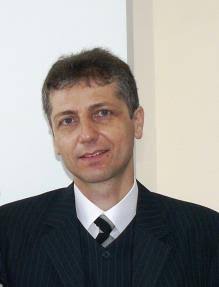
Mircea Nicușor Nicoară is a Professor at the Faculty of Biology of “Alexandru Ioan Cuza” University of Iași (UAIC), leader of the UAIC team in CERSUS and coordinator of WP4 — Water Resources Management for Recirculating Aquaculture Systems. Specialising in hydrobiology, aquatic ecology and ecotoxicology, his research examines aquatic biodiversity, the effects of contaminants on organisms and ecosystems, and the sustainable management of aquatic resources.
His expertise connects ecological field assessment with controlled laboratory studies of pollutant toxicity. As WP4 leader, he brings together environmental monitoring, experimental ecotoxicology and aquaculture research to investigate emerging contaminants and pollutant mixtures, assess innovative materials developed within the consortium, and support water quality management in recirculating aquaculture systems.
Research and academic background
He graduated in Biology from “Alexandru Ioan Cuza” University of Iași in 1988. His doctoral research investigated the influence of pollution and the Danube–Black Sea Canal on gastropod communities along the Romanian Black Sea coast. He holds a doctorate in Biology–Zoology, awarded in 2001.
His habilitation research addressed the application of ecotoxicological analysis to the assessment of aquatic environmental quality. He has been a doctoral supervisor in Environmental Science since 2018.
His international training includes a marine biology research placement at the University of Southampton, United Kingdom, alongside academic exchanges, specialist workshops and ecological summer schools. These activities have strengthened his experience in aquatic ecology, environmental monitoring and international research cooperation.
His principal research areas include:
- Aquatic ecology and biodiversity: benthic communities, aquatic macroinvertebrates and the ecological functioning of freshwater, marine and wetland ecosystems.
- Aquatic ecotoxicology: biological effects of priority and emerging pollutants, including combined exposure to contaminant mixtures.
- Fish models and neuroecotoxicology: behavioural responses and oxidative stress in zebrafish and other fish species.
- Environmental biomonitoring: occurrence and effects of toxic metals, pesticides, pharmaceuticals and microplastics in aquatic environments.
- Biodiversity conservation and sustainable aquaculture: protection of aquatic habitats and species, environmental quality assessment and responsible use of aquatic resources.
- Hydrobiology
- Aquatic ecology
- Ecotoxicology
- Environmental biomonitoring
- Biodiversity conservation
- Sustainable aquaculture
Leading research and collaboration
His academic career at UAIC began in 1991, following experience as a biology teacher and research assistant. He progressed through teaching and research appointments at the Laboratory of Hydrobiology, becoming a Professor in 2009. His teaching encompasses hydrobiology, marine biology, aquaculture, environmental monitoring, nature conservation and environmental legislation and policies.
His institutional leadership has included serving as Dean of the Faculty of Biology during 2012–2016, Director of the “Prof. dr. Ioan Borcea” Marine Biology Research Unit at Agigea during 2011–2018, and Director of UAIC’s Doctoral School of Geosciences during 2022–2024.
He has coordinated research and cooperation initiatives addressing aquatic biodiversity, wetland conservation and water pollution. These include the Resources Pilot Centre for Cross-border Preservation of Aquatic Biodiversity of the Prut River, implemented through cooperation between Romania, Ukraine and the Republic of Moldova.
Within SUSTENVPRO, he coordinated the component project examining priority pollutants in different water-use matrices and identifying hazards to ecosystems and human health. His recent activities also include participation in Algae4FishRo-Md, investigating environmentally friendly algal biomass production for fish nutrition.
Training the next generation of researchers
As a doctoral supervisor in Environmental Science, he guides research at the interface of aquatic ecology, ecotoxicology and environmental protection. His teaching combines laboratory investigation with field applications, helping students develop practical skills in biodiversity assessment, environmental monitoring and the interpretation of biological evidence.
His experience as Director of the Doctoral School of Geosciences complements his participation in doctoral examination and habilitation committees. He has also contributed to initiatives supporting doctoral and postdoctoral researchers in developing their careers and preparing for the labour market.
His international educational activities include Erasmus coordination, academic exchanges and participation in ecological summer schools. These experiences connect research training with collaboration across institutions and exposure to different aquatic environments and research methods.
Within CERSUS, he supports the training of young researchers in aquatic biomonitoring, experimental ecotoxicology and biological assessment. Collaboration with the consortium’s materials scientists and environmental engineers helps researchers connect treatment performance with ecological effects and the requirements of sustainable aquaculture.
Role in CERSUS
As leader of the UAIC partner team and WP4, Mircea Nicușor Nicoară coordinates research on water resources management for recirculating aquaculture systems. His role connects aquatic ecology and ecotoxicology with the evaluation of materials and technologies intended to improve water quality and support sustainable aquaculture.
The WP4 programme investigates priority and emerging micropollutants in water and wastewater and examines their effects on aquatic organisms. It includes controlled assessment of pollutant mixtures, with particular attention to neurotoxic effects and interactions between heavy metals, pesticides, microplastics and pharmaceuticals.
Under his coordination, WP4 also evaluates innovative materials developed within the consortium under laboratory and real or industrial aquaculture conditions. This work connects advances in materials and water treatment with biological evidence, helping assess their suitability for use in recirculating systems.
By integrating environmental monitoring, experimental ecotoxicology and aquaculture applications, he supports CERSUS’s objectives of improving water use, protecting aquatic organisms and enabling the sustainable rearing of valuable species with attention to consumer safety.